Your cart

0

No products in the cart.

Start shopping Our Shipping & Return Policy

How to choose the right mattress density?

1. What is the density of a mattress?

2. The impact of density on mattress durability

3. Choosing the right firmness for your mattress

4. Mattress density and comfort

5. The density of Wooly Bedding mattresses

6. Firmness: an essential balance

7. The choice of material: latex, foam or springs?

8. Mattress thickness and size: personalized comfort

9. What is the difference between mattress density and firmness?

10. Is a high density mattress always better?

11. How does mattress density affect temperature during sleep?

12. Do low-density mattresses lose their shape faster?

1. What is the density of a mattress?

The density of a mattress corresponds to the weight of the material used per unit area, expressed in kg/m³. This measurement primarily concerns foam and latex mattresses, as it allows for the assessment of the durability and quality of the materials. Spring mattresses are not affected by this criterion.


To give you an idea, an adult mattress with a foam density below 23 kg/m³ will not retain its original qualities for long. For a child, a density between 18 and 23 kg/m³ may be sufficient for adequate support.


Density is therefore a key indicator for estimating the lifespan of your mattress. It is important to carefully check the information provided by the manufacturer, as the density may be given for each foam layer separately or as an average for the entire mattress.

2. The impact of density on mattress durability

Density is a key factor in mattress durability. Generally, the higher the foam density, the better the mattress quality and the longer its lifespan. However, beyond a certain point, increasing density no longer significantly improves durability.

For example, a density of 23 kg/m³ or higher is sufficient to ensure good support and longevity. Above 25 kg/m³, the differences in durability become minimal. Therefore, choosing a density of 25 kg/m³ is often an excellent compromise between comfort, durability, and price.

It's also important to note that mattress prices vary depending on the chosen density. You'll therefore need to find the right balance between desired firmness, durability, and your budget.

3. Choosing the right firmness for your mattress

The density of a mattress is directly related to its firmness. Higher density means heavier, firmer foam, which can offer superior support for some people. However, the ideal firmness depends on your body type and personal comfort preferences.

As a general rule:

  • From 18 to 20 kg/m³: Used for guest beds, as the density is too low to guarantee a long lifespan.
  • 20 to 22 kg/m³: Sufficient for a child's bed or a guest room.
  • From 23 to 30 kg/m³: Ideal for a high-quality mattress offering excellent support and increased longevity.

Density is a good indicator of the quality of support and comfort of a mattress. However, it is also crucial to consider other aspects such as thickness, the materials used, and your own body type.

4. Mattress density and comfort

Density is a key factor in mattress comfort. However, it shouldn't be the only criterion considered. A mattress should also be chosen according to your sleeping profile to ensure proper spinal alignment and relieve pressure points.

For sleepers who prefer a soft mattress, it's important to pay attention to the type of mattress filling, in addition to its density. A mattress topper can also improve comfort without compromising the durability of the main mattress.

5. The density of Wooly Bedding mattresses

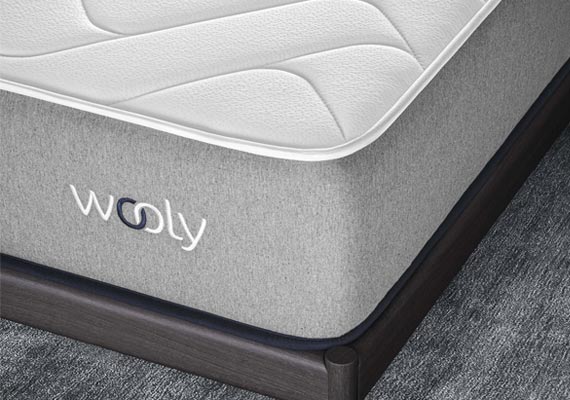
At Wooly, we've designed mattresses with different foam densities to meet the needs of every sleeper. For example, our Wooly mattress incorporates two types of foam:

  • Comfort foam with a density of 35 kg/m³, offering a soft and comfortable first contact.
  • Memory foam with a density of 45 kg/m³, which conforms to the contours of the body for personalized support.

This combination of foams creates a perfect balance between comfort and support, guaranteeing a unique and restorative sleep experience. The density of these foams also ensures excellent durability, allowing you to enjoy your Wooly mattress for many years to come.

6. Firmness: an essential balance

The firmness of the mattress is the first criterion to evaluate. A mattress that is too firm can cause back pain, while a mattress that is too soft may not adequately support your body and spine.

For optimal comfort, it is recommended to choose a medium-firm mattress, capable of adapting to the body's natural curves while providing sufficient support. This type of mattress helps maintain proper spinal alignment, thus reducing the risk of pain and discomfort during the night.

7. The choice of material: latex, foam or springs?

The mattress material plays a key role in the comfort and durability of the product. Three main categories stand out:

Latex Mattresses: Known for their elasticity and durability, latex mattresses offer excellent support while remaining well-ventilated, making them an ideal choice for allergy sufferers. Latex is naturally resistant to dust mites, which helps maintain a healthy sleeping environment.

Foam Mattresses: High-density polyurethane foam mattresses are perfect for children or guest beds. For everyday use, opt for high-resilience polyurethane foam, which offers firm support and is suitable for allergy sufferers. Memory foam mattresses, in particular, are highly valued for their ability to conform to the body's contours, reducing pressure points and adapting to movements during the night.

Spring Mattresses: Spring mattresses offer robust support and high firmness. Pocket spring models are particularly recommended for people suffering from back pain, as each spring reacts individually to pressure, providing personalized support and excellent motion isolation.

8. Mattress thickness and size: personalized comfort

Mattress size is another crucial factor in ensuring restful sleep. A mattress that's too small can restrict your movements, leading to discomfort during the night. For optimal comfort, make sure the mattress offers enough space for you to stretch out and turn easily. Standard lengths range from 190 cm to 200 cm, while widths can range from 90 cm for a single bed to 180 cm for a king-size bed.

For couples, a larger mattress such as Queen Size (160x200 cm) or King Size (180x200 cm) is recommended to offer better sleeping independence, thus avoiding disturbances caused by the movements of the other person during the night.

Which Mattress Should You Choose for Back Pain?


Choosing a mattress is even more crucial if you suffer from back pain. Contrary to the common belief that a firm mattress is better for your back, a mattress that is too rigid can actually worsen pain by not allowing adequate relief of pressure points.

To relieve back pain, it's essential to choose a mattress that conforms to the body's natural curves, providing good support for the spine without being too firm. A memory foam mattress is often recommended because it adapts to the body's contours, reducing pressure points and promoting better posture during sleep.

The Wooly mattress, for example, is designed to offer optimal support for people suffering from back pain. Thanks to its layers of high-quality foam, it ensures perfect spinal alignment while providing exceptional comfort. Furthermore, its hypoallergenic and breathable design helps maintain a healthy sleeping environment, ideal for those with sensitivities.

Conclusion: Making the Right Choice for Unparalleled Comfort


Choosing the right mattress based on its firmness, material, and size is essential for optimal comfort and restful sleep. Whether you need a mattress to relieve back pain or simply to improve your sleep quality, considering these criteria will help you make an informed choice.

A well-chosen mattress will allow you to enjoy restful nights and pain-free awakenings, thus contributing to your overall well-being and quality of life.

9. What is the difference between the density and firmness of a mattress?

Density refers to the amount of material in the mattress, while firmness corresponds to how hard or soft it feels when you lie down. A high-density mattress can be plush, just as a low-density mattress can be firm, depending on the materials used.

10. Is a high-density mattress always better?

Not necessarily. A high-density mattress offers more support and durability, but it may be too firm for those who prefer a softer feel. The ideal mattress depends on your comfort needs and body weight.

11. How does mattress density influence temperature during sleep?

High-density mattresses, especially those made of memory foam, often retain more heat. If you tend to get hot at night, natural latex mattresses or those with temperature-regulating technologies are good options.

12. Do low-density mattresses lose their shape more quickly?

Yes, low-density mattresses can deform more easily, especially if used by heavier people. To avoid sagging, it's advisable to choose a higher density mattress.

Tous unis par le confort !

Recevez nos conseils de bien-être et nos offres exclusives pour des nuits douces et naturelles. Pas de spam, promis.

Thanks for contacting us. We'll get back to you as soon as possible.


img

Added to cart successfully!