Your cart

0

No products in the cart.

Start shopping Our Shipping & Return Policy

How to choose a mattress that suits your needs?

1. Choosing the right mattress: the keys to a successful purchase

2. Mattress thickness: the guide to combining comfort and health

3. How to choose the ideal mattress according to your needs

4. Everything you need to know about thick and extra-thick mattresses

5. The impact of thickness on mattress comfort and durability

6. Define your comfort and support needs

7. Discover the different types of Wooly Bedding mattresses

8. Choose the ideal size for your room and comfort

9. Consider durability and maintenance

10. Enjoy a 100-night trial with no obligation

1. Choosing the right mattress: the keys to a successful purchase

Choosing the right mattress is essential for restful sleep and good health. Before buying a mattress, it's important to consider several factors that will influence your comfort and long-term satisfaction.

Determine your specific needs:

Sleeping position: Depending on whether you sleep on your back, side or stomach, different types of mattresses can offer better support.

Firmness preferences: Mattresses range from very firm to very soft. It is crucial to choose the one that suits your comfort level.

Health problems: If you suffer from chronic back pain or other health problems, an orthopedic mattress may be necessary.

Types of mattresses available:

Memory foam: Offers excellent support by conforming to the contours of the body, ideal for joint pain.

Latex: Naturally hypoallergenic and very durable, latex offers good support and ventilation.

Pocket springs: Traditional comfort with excellent support and good ventilation, perfect for those who prefer a bouncy mattress.

Hybrid: A combination of memory foam and springs to offer the best of both worlds in terms of comfort and support.

Try before you buy: It's important to test the mattress in a store or take advantage of the home trial period if you're buying online. Make sure the mattress provides good support for your body and remains comfortable for an extended period.

Consider durability: A mattress is a long-term investment. Look for high-quality materials that ensure the longevity of your mattress. Also, check the warranty offered.

Consider ventilation and temperature regulation: If you tend to get hot at night, choose mattresses that offer good ventilation and temperature regulation for more comfortable sleep.

Check delivery and return options: Make sure the seller offers fast delivery and that it is easy to return the mattress if you are not satisfied after trying it at home.

Evaluate the value for money: A good mattress doesn't necessarily have to be expensive, but it should offer excellent value for money. Compare different options to find one that fits your budget while meeting your needs.

By following these tips, you will be better prepared to choose the mattress that will offer you the best comfort and support for restful nights.

2. Mattress thickness: the guide to combining comfort and health

When choosing a mattress, thickness is a crucial factor that directly influences your comfort and health. Here's a detailed guide to help you make the best choice for your needs.

Mattresses less than 14 cm thick:

Mattresses less than 14 cm thick are generally not recommended for everyday use. Due to their thinness, these mattresses do not provide adequate support, especially for the spine. Regularly sleeping on a mattress of this thickness can lead to back pain and other health problems related to poor spinal alignment.

However, these mattresses can be used as extra bedding or as a mattress topper. Their attractive price makes them a tempting option, but it's important not to choose them for extended use. Even with a limited budget, it's advisable to invest in a thicker mattress to ensure sufficient support and avoid pain associated with a poor mattress.

Mattress 14 to 17 cm thick:

Mattresses between 14 and 17 cm thick are suitable for occasional use or as a child's bed. Their lightness makes them easy to handle, but they are not comfortable enough for an adult to use long-term. For a child, a mattress of this thickness can provide good spinal alignment, thus ensuring healthy growth.

Mattress 18 to 25 cm thick:

Mattresses with a thickness of 18 to 25 cm are often made of foam, latex, or innersprings. These mattresses offer good support for adults and are considered comfortable for everyday use. If you opt for an innerspring mattress, a minimum thickness of 20 cm is recommended to ensure adequate support.

From 23 cm thick, you'll benefit from better mattress ventilation, which is crucial for regulating body temperature during the night. A well-ventilated mattress contributes to healthier sleep and greater mattress durability. Be sure to check the quality of the materials used for the mattress core, as this directly influences the product's quality and longevity.

Mattresses over 25 cm thick:

Mattresses over 25 cm thick are generally considered high-end. They are made with superior materials and offer exceptional comfort. These thick mattresses are particularly suitable for people seeking maximum support, excellent ventilation, and a long product lifespan.

Due to their thickness, these mattresses offer excellent motion isolation, which is ideal for couples, especially if there is a significant weight difference between partners. Mattresses in this category are also known for their ability to absorb movement, thus reducing nighttime disturbances caused by your partner's movements.

Although they cost more, these mattresses are an excellent investment for those seeking ultimate comfort and exceptional durability.

Conclusion :

Choosing the right mattress thickness is essential for ensuring restful sleep and preserving your health. Whether you're looking for a mattress for everyday use or as an occasional bed, make sure you select the thickness that meets your specific needs.

Remember that the quality of the materials and the composition of the mattress are just as important as its thickness. By making an informed choice, you ensure optimal comfort and adequate support for many years to come.

3. How to choose the ideal mattress according to your needs

Buying a mattress can be complex due to the large number of models available on the market. To make the right choice, it is essential to understand the mattress's composition, which is a key factor in comfort and durability.

The core of the mattress: a crucial element:

The core of the mattress refers to its internal structure, composed of several layers of padding and ticking. It can be made of latex, springs, or foam, each with specific characteristics.

A. Latex mattress:

Latex mattresses are valued for their hypoallergenic properties and excellent ventilation, making them particularly suitable for allergy sufferers (except those with latex allergies). Depending on their thickness, these mattresses can be used as occasional beds or as durable, low-maintenance options.

B. Spring mattress:

Spring mattresses are popular among couples because of their ability to distribute pressure points evenly, thus reducing the sensation of your partner's movements during the night. However, their durability is often less than that of other types of mattresses, and they may be perceived as too firm for people with back problems.

There are two main types of springs used in mattresses:

1. Pocket springs:

  • Advantages: Each spring is individually wrapped in a pocket, allowing for optimal motion isolation. This means your partner's movements won't affect your side of the bed. This type of spring also provides targeted support and better ventilation, helping to regulate temperature throughout the night.
  • Disadvantages: Pocket spring mattresses can be more expensive than other types of springs. Furthermore, if the springs are not of good quality, they can sag over time, reducing the mattress's durability.

2. Bonnell springs:

  • Advantages: Bonnell springs are interconnected, making the mattress very resilient and durable. They offer good support for people of average to high weight and are often more affordable than pocket spring mattresses.
  • Disadvantages: Due to the interconnected springs, this type of mattress can transmit movements from one side of the bed to the other, which can disrupt the sleep of couples. Furthermore, Bonnell springs tend to be less suitable for people with back pain, as they do not offer the same precise support as pocket springs.

Spring mattresses are popular among couples because of their ability to distribute pressure points evenly, thus reducing the sensation of your partner's movements during the night. However, their durability is often less than that of other types of mattresses, and they may be perceived as too firm for people with back problems.

C. Foam mattress:

Foam mattresses, especially memory foam mattresses, are very popular these days. They adapt to the body's contours, offering firm support and noticeable relief for those suffering from back pain. These mattresses are ideal for personalized comfort.

D. The importance of mattress density:

The density of a mattress is just as important as its thickness in determining comfort. Density indicates the mattress's weight-bearing capacity per cubic meter. A mattress with a density below 25 kg/m³ should be avoided.

For people weighing less than 70 kg, a density of 65 to 75 kg/m³ is recommended. People weighing between 70 and 100 kg should opt for a density of 75 to 85 kg/m³. Finally, for those weighing more than 100 kg, it is advisable to choose a mattress with a density of at least 85 kg/m³ for optimal support.

4. Everything you need to know about thick and extra-thick mattresses

When choosing a mattress, thickness is a key factor that directly influences comfort and support during sleep. This comprehensive guide will help you understand why mattress thickness is so important for quality sleep and how to choose the ideal model to suit your needs.

What is a thick or very thick mattress?

A mattress is generally considered thick when it exceeds 25 cm in thickness . These models are often considered high-end, offering comfort similar to that found in luxury hotels. They are particularly recommended for people suffering from back pain, sleep disorders, or who are overweight. A thick mattress guarantees optimal spinal support and superior comfort, especially if the materials used are high-quality and the density is suited to your body type.

A. Why choose a thick mattress?

Thick, or even extra-thick, mattresses are ideal for those seeking exceptional support and maximum comfort . While they represent an investment, these mattresses are recommended for preventing and relieving back pain. If you're looking for the ultimate in bedding, a mattress over 30 cm thick is a perfect choice. These models are also recommended for larger individuals or pregnant women, who need optimal support during the night.

B. Characteristics of very thick mattresses

Mattresses 40 cm or thicker are considered very thick and are rare on the market, primarily intended for a specific clientele. These models, often found in high-end hotels, are designed to offer unparalleled comfort . Generally, the thicker the mattress, the better the distribution of body weight, thus providing optimal support. However, it is crucial to consider your personal preferences and sleeping style to choose the thickness that best suits you.

C. Memory foam mattresses: thickness and comfort

Memory foam mattresses are particularly recommended for sleepers suffering from back pain, neck pain, or stiffness in the neck. Made of viscoelastic foam , their thickness varies between 2 and 12 cm , but for optimal comfort, a layer of 5 to 8 cm is ideal. However, not everyone tolerates the sinking sensation characteristic of this type of mattress, which is why some brands, like Wooly , offer trial periods so you can test the mattress before committing.

D. What thickness should a baby mattress be?

For babies, there is no strict standard regarding mattress thickness. Generally, a thickness between 7 and 14 cm is recommended. Polyurethane foam or synthetic latex mattresses offer adequate support starting at 12 cm thick . If you opt for higher-quality materials, such as coconut fiber or natural latex , a thickness of 7 to 10 cm may be sufficient to provide excellent support for your baby's spine.

5. The impact of thickness on mattress comfort and durability

A. Comfort as a function of thickness

The thickness of the mattress directly influences comfort, but thickness should not be confused with quality. A thicker mattress is not necessarily of better quality; it is the combination of thickness and materials used that determines comfort. It is also important to consider the height of the mattress in conjunction with the bed base to achieve the ideal sleeping height suited to your preferences.

B. Mattress durability based on thickness

There is a link between a mattress's durability and its thickness. The thicker and higher quality the mattress, the longer it is likely to last. Thickness allows the materials to better withstand wear and tear, thus extending the mattress's lifespan and ensuring a worthwhile investment in the long run.

The advantages of a thick mattress

A thick mattress offers several notable advantages:

  • Superior comfort: It conforms to the contours of your body, relieving pressure points and ensuring restful sleep.
  • Optimal weight distribution: It distributes body weight evenly, which is beneficial for supporting and preventing muscle and joint pain.
  • Health benefits: A good, thick mattress helps improve blood circulation and reduces aches and fatigue. It is also recommended for people suffering from neck pain.
  • Independent sleeping: It minimizes disturbances caused by your partner's movements, ensuring peaceful and uninterrupted sleep.
  • Aesthetics and luxury: A thick mattress adds a touch of elegance to your room and provides a feeling of luxury and comfort worthy of the best hotels.

The Wooly Thick Mattress

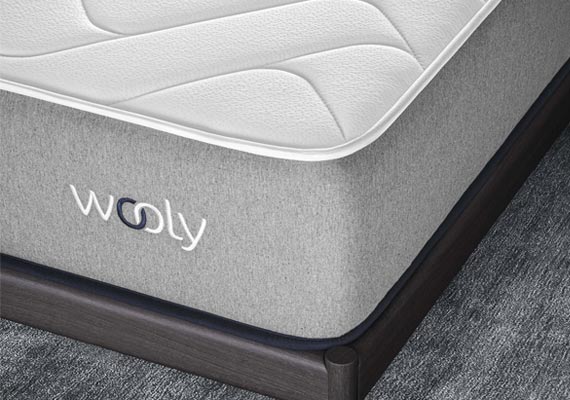
The Wooly thick mattress offers exceptional support, suitable for all body types. Made of high-density, premium-quality foams, it combines firmness and softness for optimal comfort. This mattress guarantees ideal pressure point distribution, particularly in the hips and shoulders, and contributes to proper spinal alignment, thus eliminating morning aches and pains.

Furthermore, the Wooly mattress is designed with breathable and hypoallergenic materials, ensuring excellent temperature regulation and a healthy sleeping environment. Thanks to its durability and exceptional quality, the Wooly mattress represents a wise investment for improving your sleep quality over the long term.

Conclusion: Choose a mattress based on your specific criteria

While mattress thickness is important, other factors, such as density and material quality, play a crucial role in the quality of your sleep. Consider also investing in a good slatted bed base and a quality pillow to maximize your nighttime comfort.

6. Define your comfort and support needs

Sleeping Position: Do you sleep on your back, side, or stomach? Each position requires different support and firmness to prevent pain.


Health Issues: If you have back or neck pain, opt for a mattress that offers ergonomic support and relieves pressure points.


Firmness preference: We have mattresses ranging from soft to firm. Choose according to your comfort and needs.

7. Discover the different types of Wooly Bedding mattresses

Memory Foam Mattress: Ideal for those looking for a mattress that conforms to the contours of the body and reduces pressure points.


Natural Latex Mattress: Perfect for a cool and comfortable sleep. Hypoallergenic and durable, it offers optimal support.


Pocket spring mattress: Excellent stability and motion isolation, ideal for couples. Enjoy undisturbed sleep.


Hybrid Mattress: Combines the advantages of foam, latex and springs for a perfect balance of comfort, support and durability.

8. Choose the ideal size for your room and comfort

Check the dimensions of your room to choose a mattress that fits perfectly.


Our available sizes:

Single (90x190 cm) , Double (140x190 cm) , Queen (160x200 cm) and King (180x200 cm) .


For couples, a Queen or King mattress offers more space and comfort.

9. Consider durability and maintenance

Wooly Bedding mattresses are designed to last, but proper care is essential.
Use a mattress protector to prevent stains and damage.


Flip and rotate your mattress regularly to prevent deformation and prolong its lifespan.

10. Enjoy a 100-night trial with no obligation

Try your Wooly Bedding mattress at home for 100 nights. If you're not completely satisfied, we make it easy to exchange or refund.


This allows you to take your time to decide if the mattress is right for you, without stress.

Tous unis par le confort !

Recevez nos conseils de bien-être et nos offres exclusives pour des nuits douces et naturelles. Pas de spam, promis.

Thanks for contacting us. We'll get back to you as soon as possible.


img

Added to cart successfully!